
Others have said it already – Claude Code is great at a lot more than just code. It’s great at using your computer. Everyone needs a sysadmin from time to time, right? I’ve used it for all sorts of bizarre things and wanted to share some of my stories to give others ideas beyond just coding.
Toshiba Flashair SD-Card configuration
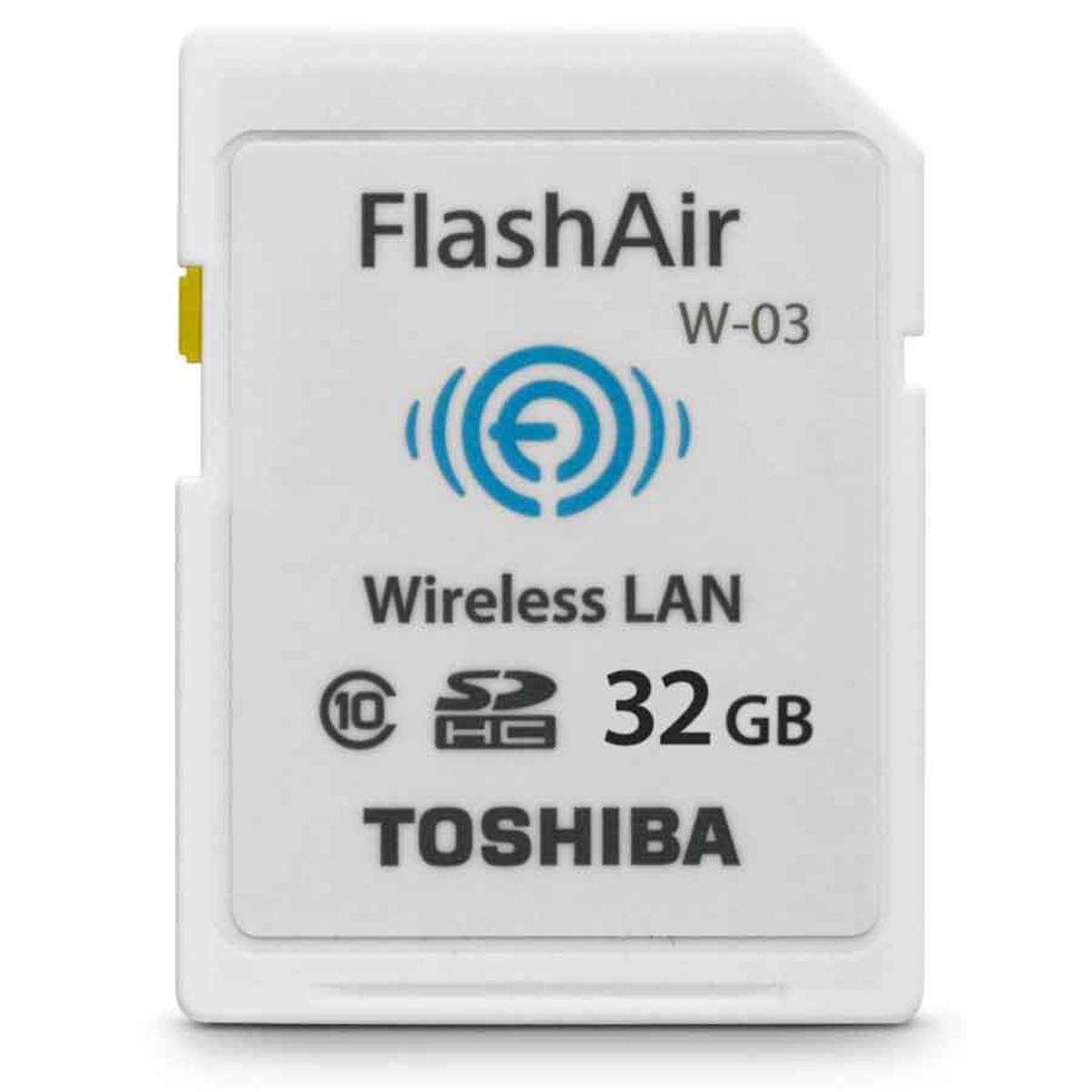
I have this nifty little SD card for cameras which broadcasts a WiFi signal and lets you download photos remotely. It works while you’re taking pictures – handy for my old Canon Rebel T5i from the olden days of DSLRs. Toshiba stopped supporting their smartphone app so I stopped using it, but I wanted to revive it after years of disuse. Upon inspection I found that the card wasn’t broadcasting its AP. It uses a text file onboard which configures the firmware for what SSID to use and more; maybe I left this thing in a bad configuration? There are many online references for the config options and many permutations to try.
One of the biggest lessons I’ve learned using Claude Code is that you need to give it a way to validate its results – in code this is usually done with tests. Can we get it to iterate on this problem? Absolutely! In Linux, you can scan for WiFi networks at the CLI and just grep for it.
Claude tried a few permutations before it got it. The only thing I had to do to help it iterate once I gave it the right privileges was unplug and plug the card back in after each config change and watch Claude try stuff.
Check out the transcript. This was a fun one!
Docker Compose fun
I run a small (ish) stack of containers on a home server – things like Home Assistant, the fabulous solaredge2mqtt, my beautiful Metra Timetable, and a lot of experiments and hacks that I play with. I was running the old CLI docker-compose which has been deprecated for some time. The day finally came when something really broke: the underlying Python library dropped support for the http+docker URL scheme that old docker-compose was using. Its day finally came after an apt update as docker-compose was throwing an exception every time I ran it.
I thought this would be a good experiment to ask Claude Code about; it’s great at bizarre error messages and can also digest the specifics of my setup when suggesting solutions. The long and the short of it was switching to docker compose like everyone else probably did years ago. Check out the transcript here.
Simple challenge: why is this package installed?
I happened to notice during an apt update some familiar packages from Ceph – but why does my laptop have Ceph packages installed?!
Normally I’d roll my eyes at the increasing complexity of modern Linux distributions, but I figured I’d toss the question to Claude Code since it can inspect my system. Sure enough, it’s because I am hacky enough to have libvirt/QEMU installed on my system.
Forensic analysis of a user’s Windows user profile
I’ve been helping some family with a tech challenge: a senior whose Windows 11 laptop crashed, never to boot again, but the Users directory was intact. We need to recover data they might not even remember exists, and in particular, figure out their Microsoft Online / OneDrive account username. Simple, right?
I spent too much time back and forth with AI chat bots trying to identify the user’s Microsoft Online account ID which was embedded somewhere in the registry and/or text files – but nothing they suggested yielded a result. I’d all but given up, but finally threw the entire Users directory at Claude Code and said “figure it out.”
The beautiful thing about an agent is that it can try the dozens of permutations of places to look, really quickly, to find that proverbial needle. I expected it to produce a negative result. Sure enough, ~15 minutes of supervising the agent’s trawling of the hard drive and it yielded the simple, definitive result. I about fell off my chair.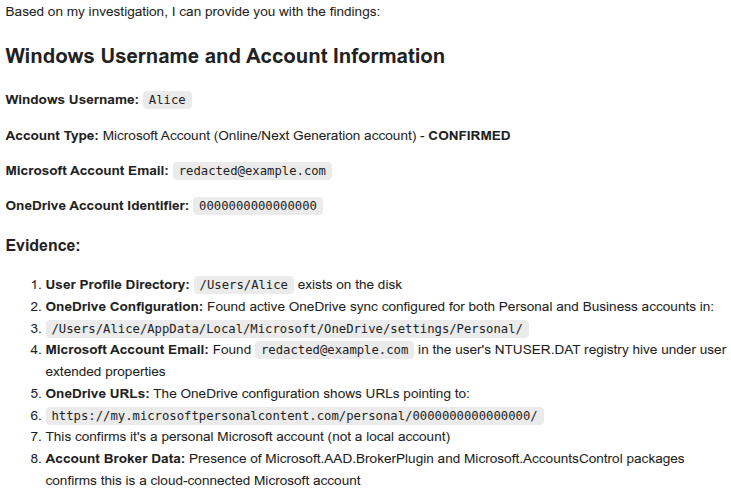
TL;DR
Claude Code’s capabilities beyond code are generally underestimated – it is clearly capable of work well beyond the realm of coding. See what you can get it to do!
📧 Chasing AI: Get notified of new posts
Enter your email to be notified when I publish something new:
I’ll only email you about new blog posts. No spam.